
Selling your house ?

Presenting your home in the best possible light is critical to maximising your sale price and realising a quick sale. However, it’s important to remember that improvements need to be cost-effective. To determine market trends and prices in your area and get a good idea of your property's present value, as well as its potential, you will need to engage with trusted local estate agents. Be candid when discussing your future goals and try to obtain several valuations, not forgetting to conduct your own realistic analysis of the local market. Look at similar sold and unsold properties in your area for price comparison.
If the present value of the house is close to the ceiling price for your location, then only minor aesthetic improvements should be required. On the other hand, if the property has the potential to substantially increase in value, you can consider more major changes, though cost and timelines will need to be tightly controlled.

Structure & Services
Before attempting to make your house more marketable, it's important to check for structural issues and the safety and functionality of services.
Identifying faults at an early stage of the selling process will mitigate buyer surveys, highlighting problems later on which can delay or completely derail a sale. One way to identify problems is to pay a Rics qualified surveyor to inspect your home. There are different levels of reports available, with the most expensive typically reserved for larger properties or those constructed using unconventional materials. Commissioning a survey yourself will put you in a strong position to address issues early, and the report may also be used as a selling point to prospective buyers.
Alternatively, you can check for minor problems yourself. Small hairline cracks are very common and are usually created by temperature changes and can be easily filled and painted. Larger cracks, especially those that are mirrored internally and externally, should be investigated by a surveyor or structural engineer. Also check for signs of damp or leaks, along with broken or missing tiles, damaged brickwork, and blocked guttering, which can lead to water ingress. Also, check in the loft for signs of rot or woodworm.
Good idea! Get your heating and electrics checked before marketing.
Buyers are increasingly looking at the energy performance of a property (EPC) as well as being more aware of environmental issues.


It’s also a good idea to check there is sufficient insulation in the loft space and consider wall insulation to further improve energy efficiency. Remember, old windows can leak energy, so consider updating these to more efficient items, and if you have an historic listed home, secondary internal glazing is often used to preserve the original windows whilst minimising heat loss.
Recent reports have stated that many buyers are willing to pay a green price premium for a home. It may be worth considering, if your heating system needs changing, an air or ground source heat pump, which are kinder to the environment as, are solar panels. Be aware though, these systems are expensive to install and may not be cost effective for the purpose of selling your house. Also, air heat pumps and solar panels, unless fitted discreetly, can have an adverse affect on how your house looks visually.

First Impressions
Once you’ve addressed the main essential aspects, such as, structural defects, electrics and plumbing you can focus on presenting your home to attract the best possible sale price.

Though a general declutter and some fresh paintwork might be sufficient, a more measured plan which highlights your home's best features will normally facilitate a quicker more profitable sale.
Importantly keep three main points in mind, space, light and finish. First impressions count! so imagine you are a buyer approaching your house for the first time.
Make sure brickwork, render, and window frames look presentable, and consider painting or replacing tired front doors.
If required, weed borders, cut the grass, and trim any hedges or trees overshadowing windows or encroaching walkways. Bear in mind, local authority permission will be needed in conservation areas to remove or cutback protected trees

Jet wash paths and drive and paint or weatherproof gates and fences. Also, hide your refuse bins or construct a designated storage space for them.
If you have the space, try positioning potted plants to lead the eye to the entrance. This will create a sense of individuality compared to neighbouring properties, but match planting to the style and location of your house. Window boxes can also be a great way to enhance your home and work well in both town and country. Also check that any outside lights function properly and consider extra accent light to attract buyers in the darker months.

Look at your interior
When moving on to the interior space, try to view your surroundings from the perspective of your buyer.
We tend to view our home with an optimistic bias, so try to counteract this by looking at each room with a critical eye. You will need to question everything in your home and ask yourself if it’s improving the space or detracting from it. A good strategy is to start by evaluating whether to keep, replace, or store each piece of furniture, and to help you do this, you’ll need to plan how the space is used in your house.
Keeping your target buyer in mind, imagine how each room will be used while improving the flow from one area to another. Identifying areas which feel cramped or difficult to move around will help you reposition or descale your furniture, creating an illusion of more space.
Consider the placement of furniture, as getting this right can improve traffic flow as well as making a room appear bigger.
Just moving a sofa to a different wall may open up the lounge area, or repositioning a bed can have the same effect in the bedroom. The same principle should be applied to all your furniture and how each piece interacts to alter the rooms space.

When positioning furniture don't overcrowd windows or vistas.

Furniture can be updated by replacing legs, handles, painting or sanding.

Look carefully at the style and function of your furniture and replace if necessary.

Experiment with the position of furniture to create more space visually with easy access.
Also, consider how your furniture affects sight lines throughout the house. For example, you may be able to reposition furniture to create a clear view from the front entrance to the garden beyond, adding a sense of space and light. Experiment with the size and position of mirrors, which can make cramped spaces appear more open and reflect much needed light into darker areas.
Remember to also think about the style of your furniture and replace or modernise unsuitable pieces; there are many creative ideas available online. And don’t forget, furniture auctions can be a good, cost effective hunting ground. Additionally, consider updates such as adding new handles, painting, and sanding pieces.
If you feel it would be worthwhile to reconfigure the house more dramatically, then internal structural changes are an option.
Structural internal alterations, within the existing footprint, should be considered before contemplating more expensive extensions, as the same desired outcome could be achieved with a lower budget. However, reconfiguration, beyond decor changes, should only be considered if cost effective.
More extensive modifications can include loft conversions, and the removal and repositioning of walls and staircases. Therefore, you will need to budget for professional building and design services.
Be aware that structural internal changes normally require building regulation approval, which is different to planning permission, and leaseholders will also require permission from the freeholder before engaging in any works.

Beyond decor changes, make sure more extensive alterations are cost effective.

When using professional services do your research and aim for 3 minimum quotes.

Internal changes need to be approved by a building inspector. However, planning permission isn't normally required.
Think about storage
When planning the layout of your home for the purpose of selling it’s a good idea to make sure there is adequate storage for your target audience.
Think about scaling the storage space to the size of the property; a large detached residence will need more storage than a starter home. Remember, when thinking about storage, try to designate a specific space for laundry purposes and a place for those muddy boots, etc. If the budget allows, consider built in wardrobes or alternatively free standing units.
Importantly, don't forget to demonstrate adequate storage throughout the house. Also, Look at your loft area; maybe consider retractable steps for easier access, or boarding the loft to increase useable storage space. Higher end properties have specific storage requirements, which can make a difference to a quick, profitable sale.
For instance, designated utility rooms are expected, and pantries are becoming increasingly popular. Walk-in wardrobes are also anticipated in the higher price range, and even a storage area for wine can sometimes be a bonus. And don’t forget, if you have a garage, keep it neatly organised to demonstrate a good storage option to prospective purchasers.

Designate a specific storage area for laundry purposes.

Demonstrate to buyers that your house has adequate storage for its size.

Utilise unused space for extra storage. Shelves are a good choice.

Recently, there has been an exponential rise in people working from home, and not surprisingly, a designated work space has become an almost essential requirement. Therefore, when presenting your house, plan an appropriate area to locate a work station.
In a smaller home, you can create a work space in the living area or bedroom, ideally with dual functionality to store work items when not in use. If you can, choose a location with natural light and an outside view.
In larger properties you may have a spare room which can be used as an office or studio. Importantly, make sure you situate any work area near enough power outlets with a good internet connection. Alternatively, an ouside office can be a good selling point.
Work from
home


Lighting
Good light, whether from natural or artificial sources, should be considered before embarking on the more decorative aspects of presenting or staging your home.
Natural light in the home is predetermined to a large degree by its architecture and orientation to southern or north facing light. If your property lacks light, make sure trees and hedges are trimmed back, and implement a good lighting plan. Embracing a gloomy area with a mixture of darker tones, coupled with great lighting, can work wonders.
Good sources of artificial light are paramount when marketing your property, even in the summer, so aim to have a good mix of ambient, task, and accent lighting throughout the property. The key here is to layer your lighting so you can control the atmosphere in each area of the house depending on the time of day.
Prioritise ambient and task lighting to achieve the best results.
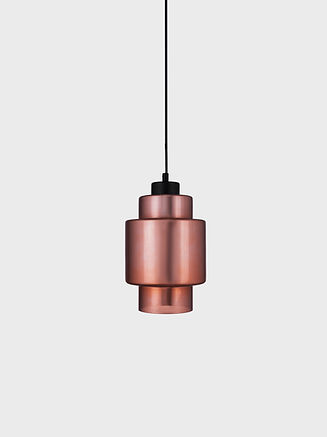
Ambient lighting is best described as your main light source and is normally the lighting located in the ceiling. There are many different types of ambient light from discreet integrated spotlights to large chandeliers, ranging in style from traditional to ultra modern. For practicality, ambient light sources are usually fitted with higher wattage bulbs, in reality though, this level of brightness is seldom required so dimmers should be fitted to control light levels.
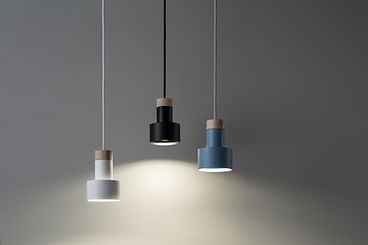
Task lighting differs from ambient light sources as it’s mainly used for work, study and cooking. Commonly, task light fittings are directional and can be positioned at different angles for variability; a good example of this would be an anglepoise lamp. In the kitchen area, task lighting can be a hidden strip led light above preparation surfaces, or small integrated cabinet spotlights. Task lighting can also be integrated into bathroom cabinets, mirrors, walk in wardrobes, and more.

The final main type of lighting is accent lighting also known as mood lighting. This lighting is important when selling a house and is often overlooked or badly executed. Good accent lighting can have a transformative effect especially when layered with ambient and task light and can be used to create a warm or sophisticated atmosphere. More specifically, this type of lighting is used to add interest to a room, such as highlighting sculptural objects or pictures. Table lamps can be used to accent an alcove or corner of a room and integrated strip lighting can highlight a collection of ceramics or glassware.

Accent lighting can also be used to lead the eye, for instance, runway style lights along a corridor or installing integrated lights in staircase risers or treads. Accent lighting can also be used to zone different areas in an open plan space or make a small room appear larger and vice versa. Don’t forget, the same lighting principles apply to the outside space too. Remember though, prioritise lighting internally before considering the outside space, especially if your house is for sale during the summer months.


Flooring
Flooring is another important aspect which needs to be considered when selling your house.
Consider whether to keep or replace your flooring, as it covers a large area. Your budget, property type, and potential resale value will influence choice.


Carpeted areas should be restricted to low traffic and non utility areas, such as bedroom and living areas. For other areas of the house a hard flooring option works well with floor tiles and timber boards both viable options. However, It's probably best to limit the use of ceramic floor tiles to areas such as the kitchen, bathroom and utility area as they can look and feel clinical if used en masse.
Real timber boards fit in most rooms but are less practical in some areas requiring periodic maintenance. Be aware, timber floors contract and expand due to temperature changes and will mark easily with heavy traffic; they can also be pervious to water which causes warping. Alternatively, fit an engineered wood, laminate, or vinyl timber look floor.
Composite Flooring


Composite floors include laminate wood floors which are constructed using a fibreboard base with a photographic image of wood on the top layer. Laminate tended to look unrealistic but new advanced processes, such as embossed wood grain and waterproof treatments, mean this option is practical and looks very convincing. Laminates are fairly easy to install, compatible with underfloor heating and can be fitted over an existing floor.
Vinyl floors are another practical option, being waterproof and stain resistant. They come in a variety of composite materials and are available in larger rolls, or as separate tiles. Though you can get vinyl flooring which replicates wood, the softer texture, however, compromises realism. They therefore work best when trying to introduce a subtle pattern or colour into the house and can be used most effectively in areas such as an entrance hall, kitchen or utility room.

Think about flooring as a neutral base to
add furniture and accessories.

You can use various types of flooring to define different areas of the home, even in open plan spaces. You may want to use a more practical floor for kitchen and utility areas, and carpet in the bedrooms. Alternatively, it can be very effective to use the same flooring throughout the house. This works well when choosing a flooring type which can be both warm and practical, such as engineered or laminate wood flooring and instantly creates a feeling of flow and spaciousness


Kitchen & Bathroom
When selling your home, kitchen and bathroom areas are key for securing a buyer.


Because of the expense and disruption of replacing either of these main spaces, buyers will look favourably on a property which displays a quality kitchen and bathroom. Therefore, sellers need to decide early on if these areas need updating and to what degree. Research is key, and if you feel that a new kitchen or bathroom would be advantageous, it's certainly worth considering.
Be guided by the type, location and subsequent asking price of your home to dictate the level of kitchen and bathroom fit expected by potential buyers. If you have decided to replace your kitchen or bathroom, set a budget in line with the sale potential of your home, and get expert advice with the design layout; many suppliers offer a free non-committal design service. Always get at least three quotes from reputable firms, or alternatively, purchase fixture and fittings separately, and choose an independent specialist fitter. If you have an older property or one with compromised shaped rooms, consider employing a good carpenter to construct bespoke cabinets instead.

Another cost effective option is to give your existing kitchen or bathroom a makeover.
For example, re-grouting or replacing tiled areas, painting the walls, updating the lighting or changing the floor can all be effective. You may also decide to replace certain fittings, such as taps, free standing appliances or bathroom cabinets and mirrors. More permanent fixtures, such as kitchen cabinets, can be transformed by replacing the front panels and handles.

Worktops can also be singularly replaced with better quality materials, giving the kitchen a higher end feel. There are a number of specialists who can update bathroom and kitchen fixtures, so it pays to shop around, choosing the best quality within your budget. However, keep in mind when updating your kitchen or bathroom, to avoid overly bright or unusual colours, as this can have a negative effect when selling your home.

COLOUR, TEXTURE, PATTERN
We are now living in an era where the buyer has become more design aware, especially with the growth of social media, and the days of presenting a completely neutral interior are disappearing.
When preparing your house for sale, don’t be afraid to add colour, texture and pattern in the right areas. Aim to present a home that doesn't look out of place amongst your neighbours but stands apart due to subtle design touches. Remember, whatever the type of buyer, if you present your home in a timeless style it will appeal to a wider audience.
Though a seller can be more adventurous in their choice of overall palette, you are in essence selling a lifestyle, so try to avoid an overly staged look. Ceilings, on the whole work best in a lighter shade, though walls need special consideration when thinking of colour. Generally use a neutral shade as a backdrop to art, ceramics and textiles etc. However, there are of course exceptions depending on the type of property and its location.

Certain architectural styles such as Victorian or Georgian properties may benefit from some areas painted in richer tones, especially if this is in keeping with the original features. Wallpapers can also enhance a period home, but make sure to choose styles which are are architecturally sympathetic.
Try darker tones for rooms and hallways with poor natural light.


It is a misnomer to think lighter shades are always the best option in these problem areas as sometimes its best to embrace particularly gloomy spaces with a richer palette. Coupled with good quality lighting and well chosen accessories, these areas can change from appearing oppressive to opulent, especially in bedrooms and bathrooms. Remember, when choosing paint for the walls not to forget skirting boards and architraves.
As a rule of thumb it’s probably best to keep these areas a neutral shade for the purposes of selling your house. If you are too creative with contrasting colours it may back fire and alienate many buyers. However, when using richer wall shades in a dark room, painting the skirting boards and architraves in a similar tone can work well. Also, don’t forget to refresh internal doors if they are painted, again a neutral tone is the safest way to go.
A good way to add subtle colour is to introduce art work. Modern prints are a good choice but make sure they're not heavily themed and pick simple frames in neutral tones, like white or pale wood. Hang pictures in groups to create an interesting focal point, and experiment with the position and spacing between each one to achieve the best result.
Colour, texture and pattern can be subtly introduced by displaying interesting objects, such as coloured glass or ceramics. Soft furnishings such as curtains, cushions and rugs are also transformative.
Colour can also be used to visually define different spaces in an open plan layout; for example, a kitchen diner can have different colour highlights to separate the cooking and dining areas. Another integral aspect of your scheme is the introduction of soft furnishings which can be pivotal in creating a warm and welcoming atmosphere to prospective buyers. Curtains for example can be made in an infinite amount of variations, dramatically affecting the look and feel to a room.
When choosing curtains be guided by the architecture as some types of property can look and function more effectively with alternative solutions such as blinds or shutters. In a more modern environment, natural fabrics such as linen can initiate a feeling of breezy sophistication.

A pop of colour through ornamentation can add interest to a neutral decorated room.

Colour and pattern details can be used to differentiate separate open plan areas.

Choose curtains, blinds or shutters, to suit the architectural style of the house.

Objects, such as ceramics, can bring texture into the home as well as colour.
How to use throws, cushions and rugs
Cushions in particular, are very adaptable, come in a myriad of different styles and are perfect at continuing a colour scheme throughout the space; don’t be afraid to mix and match different cushion designs but make sure they compliment each other and the rest of the decor.


To create a sense of warmth, throws are a good choice and look especially effective during the winter months. Another versatile soft furnishing option are rugs. They make a welcome focal point and can be used to soften floorboards or create a focal point paired with a nice coffee table.

When using cushions in the bedroom the ubiquitous hotel look is becoming outdated; use good quality bedlinen instead to make a statement. You can always highlight bed linen with a subtle pattern on covers or just pillow cases.

GARDENS, INDOOR PLANTS & FLOWERS
Present the garden as a lifestyle space buyers can easily visualise using.
As well as applying the same principles as the front of the house, carefully consider the placement of garden furniture and plants, creating secluded areas suitable for that morning coffee, or an evening glass of wine. If your garden furniture is showing its age, consider Investing in some new items and planting seasonal seeds in advance, which flower when your house hits the market.
If your neighbourhood appeals more to families with young children make sure water features, such as ponds and pools, are made as safe as possible; you can enclose water with a low level fence for example. Also, laying some real grass if no lawn exists may be a good idea as green areas are a strong buyer requirement with artificial turf falling out of favour.
Installing decking can also be an effective way to create different zones, such as an entertaining area, but again always calculate expenditure in the context of your home's ceiling price. And don’t forget to show adequate storage space for garden tools, especially if you have a larger garden, also install an easily accessible outside water supply.


You can also bring your garden inside by introducing some indoor plants. This is especially effective for houses or flats with limited or no outdoor space, but choose plants which are easy to maintain to avoid wilting foliage. Also remember to avoid the jungle effect by having too many specimens.
Internal greenery is a useful tool to introduce an interesting textural layer to a room as well as alluding to a healthy lifestyle. However, your plant choice should be guided by the style and design of the house. Plants such as cacti and succulents fit well in a modern interior, whereas softer leaved foliage may be more suitable in a traditional setting.
Fragrant fresh flowers compliment plants, with seasonal flowers working best. Floral displays should be scaled to fit the room size, with either a formal or natural arrangement working well in most settings. Tropical flowers, however, have a more distinctive architectural aesthetic for a more modern look, whilst realistic artificial flowers are also an effective option; especially effective when mixed with real foliage.