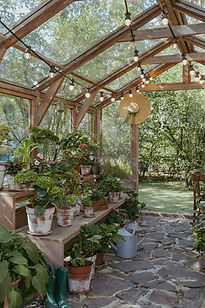
Garden Landscaping
The garden is frequently overlooked in favour of the homes interior. By successfully integrating the two, you can create a harmonious environment to enjoy throughout the year.
Restyling the garden, commonly involves the purchase of plants and flowers, bought in a piecemeal fashion, with maybe an added patio or decking area and new garden furniture. Though this approach can improve the existing space, a more thoughtful, structured methodology can pay dividends.
When we talk about garden design, regardless of budget, the infrastructure of the outside space needs to be resolved before selecting plants, ornaments and furniture. Think about creating a metaphorical foundation to add all the nice final touches which give your outside space the wow factor. This first stage of garden design is called landscaping.

Assessment & Style
The first step to achieve a beautiful outside space is to assess what positive and negative aspects you already have.
Before you embark on the main infrastructure (landscaping) of the garden, you need to determine the general style of the garden. this can be influenced by different factors. Though, personal preference will play a significant part in deciding, it's a good idea to use your homes architecture and interior styling as a guide. Also, gain inspiration from looking at as many different types of garden as you can, including public parks and historical grounds.
There are many different styles of garden, from the minimalist Japanese garden to country cottage, or a formal structured look. Other popular styles include, mediterranean or sleek modern contemporary. Bear in mind, you don't have to be constrained by one type of garden as an eclectic mix of styles work well.
It is a good idea to begin by creating a scaled garden plan. There are online tools that can help you draw a plan to scale, you'll just need the approximate measurements of your existing garden. The RHS site also has great tips to measure and draw a garden plan. Once you have your plan you can note level changes, mark existing plant and flower positions and areas which get the most sun and shade. Also make a note of which way your garden faces, for instance is it south or north facing? where and what plants and flowers you already have, as well as infrastructure, such as a patio or decking. Also note the type of soil in different areas of the garden, such as clay, sandy, chalk or gravelly. Once you have a plan of the existing garden you will have a template to create a revised plan detailing your new design.
Japanese style gardens typically emphasise harmony with nature, using elements like carefully placed rocks, water features, carefully pruned trees and shrubs, and minimalist designs to create a sense of tranquility and contemplation. They can include dry landscapes (Karesansui), tea gardens, and Tsubo-niwa (small courtyard gardens).
Other types of contemporary/modern gardens prioritise clean lines, minimalist designs, and a focus on functionality. They might incorporate materials like concrete, steel and modern sculpture, along with bold planting and unique water features.

Cottage gardens are known for their informal, romantic, and somewhat wild appearance. They are typically filled with a mix of flowering perennials, shrubs, and self-seeding annuals, often arranged in a slightly chaotic yet charming way. A variation is the english country garden, incorporating lush planting, rambling pathways, and elements like pergolas and climbing plants.

Formal gardens are typically symmetrical with geometric shapes, and neatly trimmed plants. They often feature elements like manicured lawns, topiary, and balanced pathways. They can be inspired by classical Roman and French garden design.
Other types of garden include mediterranean, with signature terracotta pots, gravel paths, pergolas and the obligatory olive tree. Tropical gardens are also popular, signified by lush tropical plants and exotic flowers, though more difficult to achieve in cooler parts of the UK. Notable too, are wildlife gardens, designed to attract various forms of nature, and coastal gardens with salt resilient plants and natural infrastructure.


Think about function
When designing your garden you need to think about functionality. You may have chosen a style that appeals but within that remit think carefully about the main user requirements.
Though at this stage we are considering hard landscaping, keep in mind your future choice of planting, furniture and ornamentation, as your infrastructure will need to support these. When designing a garden, different demographics will have various requirements. Bear in mind that all garden styles can be designed to accommodate a specific user, however, some garden types will be more suited to certain groups.

Family garden
The typical family garden will need a larger space overall to function optimally, however with compromise, small spaces can lend themselves to accommodate a family. Though a family can be as small as 2 members, typically we mean 3 or more persons. Children in particular will have specific needs. For smaller children safety is paramount, so think about perimeter security, dramatic level changes, and materials. Children like exploring, so be aware of potential accident areas and mitigate accordingly, especially around pools and ponds. Having good sight lines also helps with safety.
The family garden, more than other types, needs to be multifunctional as it often has to function for varying age groups. For example, a designated play area is advisable for children, however, a more contemplative space may also be needed for elderly relatives, as part of a wider family group. Parents too, will have their priorities, such as an area to entertain guests or a quiet relaxation space. With this in mind, think about zoning a family garden at the landscaping stage. This can be achieved by level changes, different ground materials, planting, and structures such as a pergola.
Low maintenance

Incorporating pots in the garden can minimise maintenance.

A patio area is easier to maintain but make sure it's permeable, and try to have some planting elsewhere.
Due to various factors, such as work commitments or restricted mobility, low maintenance gardens are often required. It goes without saying, that smaller gardens are naturally lower maintenance anyway, but larger outside spaces need careful planning to decrease maintenance time.
When creating this type of garden think about planting at the landscaping stage, preparing areas with specific soil for low maintenance plants and foliage. Consider areas of patio and decking using permeable materials which allow drainage. However, try to keep small areas of grass if you can, and also consider a contained wild flower section. Preparing an area for pots is also a good idea but avoid using artificial grass and flowers so you can support wildlife.
Some gardens may need to be designed with ease of access as a primary consideration. This type of garden will help those with mobility problems, often the elderly or those with physical disabilities.
Two important aspects to consider, are level changes and ease of access to all parts of the garden. This can be achieved by reducing steps from the house and throughout the garden, using sloped areas if possible. Creating wider pathways is also a good idea, especially if wheelchair access is required, as is the installation of hand rails.
In this type of garden, make sure paths, patios and decking areas are specified using non slip materials with good drainage to mitigate water pooling. Depending on the size of your garden, make sure there are designated areas, at regular intervals, to install either integrated or free standing seating. Remember to specify that permanent seating is not too low and can also be used to sit while tending plants, which optimally should be in raised beds. For those with mobility restrictions, vertical planting, such as trellises, can be a good idea, as can hanging baskets. It may also be a good idea to locate an easy access area for gardening tools.

Entertainment
Creating a garden aimed as an entertainment space needs certain considerations. Firstly, try to zone the garden to cater for varying needs. Zoning can include, lounging areas, places for games and sports, secluded spaces and dining areas. The garden should be easily accessible from the house, ideally with a seamless flow from the kitchen to the outside space. A good way to achieve this is by using similar external ground materials which reflect the interior flooring.
A popular feature of an entertainment garden is an outside barbecue area, though remember to make adequate provision for seating at the design stage. A fire pit is also a welcomed feature, but consider safety when planning these features. For more luxurious spaces you may wish to install an outside kitchen, separate from the main house, or even a bar area. The entertainment garden also needs focal points and visual interest, so consider constructing an arbour or pergola.

Another main structure of the entertainment garden is a swimming pool, which can also become the hub of the garden. Remember to prioritise safety when installing any body of water, paying special attention to sight lines. Other important aspects of an entertainment space is lighting and even sound speakers, which can be integrated throughout the garden. Storage space should also be considered if furniture needs to be stored over winter. Most importantly, privacy, both yours and your neighbours, should not be underestimated. Think carefully about fencing and planting to achieve this effectively, considering both the visual and sound aspects.

Scale & Proportion
When designing a garden, scale and proportion is a key factor to create a successful space. When we talk about scale we mean the size of elements in relation to a fixed reference point, such as the house or a person. Proportion, on the other hand, refers to the relationship between the different elements within the garden.
Scale
Though we are talking about landscaping at this point, you will still need to plan your garden according to the elements that you specify later. For instance, planning large planting beds to install tall trees in a small terrace garden, would be out of scale. It is possible that you have a large house with a small garden, or vice versa, in which case a balance needs to be implemented. Presuming your outside space is balanced with the house, plan to scale everything with the building. For example, constructing a small pond with a large detached property in the background would look out of scale. Alternatively, next to a small terrace house, a large garden structure, such as a home office, would equally not work.


Scale also refers to visual weight. For instance two pergolas, occupying the same amount of space, scale differently depending on how they are constructed. A pergola made of slim delicate ironwork will have a reduced scale compared to the same sized pergola constructed in heavy timber. Remember, a large garden might need larger elements to feel balanced, while a small garden might benefit from smaller, more delicate elements to avoid feeling overwhelmed.
Proportion
Proportion in the garden is closely interlinked with scale, but concentrates more on how elements relate to each other within the garden. Using a pergola again as an example, you could have a large pergola in scale to the house, but if other elements are too small compared to the pergola, there is a proportion problem. Installing a path, is another example, a path which is too wide can create an imbalance adjacent to small planting beds either side.


Remember therefore, when planning different areas such as lawns, beds, paths, patios, decking and garden structures, they are all in proportion to each other as well as being in scale to the house. Connected elements can also be out of proportion with each other. A fountain positioned in or by, a large large pond, can look out of proportion if it's too small. The aim therefore, is to have all the elements in a garden space proportional to each other, the garden area and correspondingly in scale to the house.
Small Spaces

Designing a small garden needs a special mention. Though this type of garden has limited space some careful consideration can produce a beautiful, relaxing space to rival its bigger counterparts. A good tip is to focus on maximising the space, zoning if possible using techniques to create a sense of depth and openness. Approach the space as you would a regular garden deciding your key functions. Bear in mind, a small space can be multifunctional but prioritise the key use. It's probably a good idea to avoid grass or dug borders in a very small space. Use a permeable floor instead and consider raised planters or plan for pots to house your plants.

Vertical gardening can work very well in a limited space, so embrace trellises and hanging baskets to create a lovely intimate space. Another good tip is to fill a small courtyard garden with a pergola which can be planted to add shade and privacy. This will make a great place for central dining and peripheral planting can add to the scheme. The small garden is also particularly good at supporting water features, such as a small raised pond in a corner or a well placed wall hung water fountain. If your only outside a space is a balcony, emphasis will be on using containers for planting and seating.
Main features
Irrigation & capture systems
Most gardens, big or small, need water to survive. When designing the garden consider how water will be sourced and accessed from.
Forward planning at the landscaping stage avoids unsightly elements disrupting the function and aesthetics of your outside space. Though most water for the garden comes from a mains source, this is the time to think about a water capture system as well.

This normally involves harvesting rain water and storing it to be used at a future date. Not only does this save water costs, but avoids unnecessary water use. Connecting water butts to existing downpipes is the easiest and most cost effective way to capture rainwater. If you're going to use this method, plan in advance where the butts will be located and how you can visually minimise their impact. There are many different styles of water containers available.
Alternatively, consider hidden water capture tanks. These are located under the ground surface and rainwater feeds into them. More costly than water butts, but a much better solution, both aesthetically and practically as the water is less likely to become contaminated with external debris. Irrigation systems are another aspect to think about when designing the garden. These are a system of overground or underground flexible pipes, or hoses, which connect to a series of strategically placed sprinkler heads.

If you are installing irrigation, this is the time to consider any installation logistics, such as concealing the pipework. Irrigation systems avoid manual watering and can work off of timers. They can connect to a water tank or run off of the main system.
Pools & ponds
Designing and installing an outside swimming pool or decorative pool (large pond) is a major undertaking and careful planning is needed for optimal results.


Main points to consider regarding pools are, location, scale, safety, construction logistics and budget. A good location for a pool is quite near the house. It's important to maintain safety sight lines. Swimming pools will need close proximity to changing and washroom facilities. Depending on whether you need a focal point, the pool can be positioned centrally or offset to one side. Of course, pools come in all shapes and sizes and careful consideration of form will be needed. Rectangular pools are the most common and functional for swimming.
However, more organic shapes may suit a less formal garden. Wherever your pool is located be careful of surrounding trees and hedging to avoid undue maintenance with falling debris and sunlight obstruction. Also consider the perimeter of a pool, especially if swimming. Decking or paving will need to be non-slip. Large outside swimming pools (unless a natural pool) will require a plant room to house a filtration system, filter and pump, as well as chemicals, and pool heating. A plant room can be part of the main house, or a separate garden structure.
Decorative pools may also require a filtration system, especially if you intend to keep fish. Think carefully about size too, a pool needs to be in scale and proportion to its surroundings. Construction wise, pools can be in ground, above ground, concreted, finished with liner, tiled, or pre-formed, all with varying costs. Remember, labour costs are high too, and thought needs to be taken on access, especially when removing large amounts of soil. Also don't forget underwater lighting, which enhances the pool at night and increases safety.
Planting beds
When designing garden beds, consider factors like sunlight, bed size and shape, and plant selection. Raised beds offer benefits like improved drainage and easier access, while also allowing for creative design choices using different materials and shapes.
The right sun and shade levels are paramount for the plants in your beds to achieve a successful garden. Therefore, note the type of planting that will be specified and where. For example, vegetables, roses and fruits will need more sun, whereas ferns, foxgloves and hostas, prefer shady areas. Also think about the size and shape of your beds, keeping the rules of scale and proportion in mind.

Experimentation at the planning stage is key, but raised beds under 1.5 metres facilitate easier access. Raised beds can be made of varying materials, including wood, metal, brick, or stone, depending on your garden style. Whether your beds are at ground level or raised, you can prepare the correct type of soil for your planting, bearing in mind, raised beds tend to have better drainage.
Paths
Garden paths are a fundamental aspect of many gardens. Again, these need to be planned, keeping scale and proportion in mind.
However, they will need to be wide enough for maintenance access and planting, so make sure a wheel barrow can fit. As well accessing your plants, paths have a vital role in the overall aesthetic and garden experience. For example a straight path, centrally located, can lead the eye to a focal point beyond, or a winding path can give the illusion of a bigger garden full of interest to explore.
Paths can be in many materials such as stone, gravel, slate, decking, paving, natural and more, but remember drainage and how slippery a material is. The material you choose will depend on your functional requirements as well as the garden style, but bear in mind, paths which incorporate bright colour or unusual materials may date quicker. Key points then when specifying a path are traffic flow, creating interest, focal points and connecting spaces around the garden.


Multilevel
Terraced gardens, with their tiered levels and retaining walls, offer a beautiful and functional way to manage slopes and create distinct garden spaces.
A garden located on a slope is not ideal, as it can pose maintenance and access challenges as well as being visually subpar. However, with the correct planning a sloping garden can blossom into an interesting, creative space. The most effective way to design a sloping garden is to incorporate terraces or tiers which can be accessed by a series of steps to each level. Considered thought will be needed to plan how steps, terraces and paths interconnect.
A multilevel garden is one of the most expensive to create, due to labour and material costs. However, when completed, this type of garden can be one of the most dramatic. Careful planning will be needed to calculate the amount of levels required. Remember to think about logistics for small diggers, or removing large areas of soil manually, which will add considerably to costs. Each terrace will need a retaining wall to mitigate against erosion, and stop levels collapsing.
Various retaining materials, such as timber, brick, stone or concrete can be used, depending on the structural requirements and garden style. Retaining walls will need drainage to prevent water build up, but the exciting thing about a terrace garden is the amount of creative possibilities. Each level will have differing amounts of sun, so you could treat each tier with different planting to add interest. Alternatively, one level could incorporate seating, while another could be a pool area.
Patios & decking
When specifying a patio or decking, focus on proper planning, installation, and maintenance to ensure longevity and enjoyment.
Planning a patio area needs careful planning, so analyse the available area and choose a layout that maximises functionality whilst complementing the garden's overall design. Large patio areas may need to be multifunctional, for instance you may need a cooking, lounging and dining area. You can zone these areas by a change of patio materials or with a structure, like a pergola over a dining table. Patio materials need to be durable, water resistant and aesthetically pleasing. Some materials are easier to maintain and keep clean than others, so research extensively, but make sure any patio floor compliments your garden and house style.
Materials include, porcelain tiles, natural stone, cobbles, brick, cement pavers, stepping stones and gravel, all available in an abundance of tones. You can also integrate focal points into the patio such as a water feature or fire pit, and also consider a patio area which isn't square, a curved patio can reflect an interesting organic aesthetic. Remember however, to have a patio installed professionally using an appropriate substrate, with particular attention to drainage.


When considering the use of decking many of the design principles regarding a patio apply.
Bear in mind when designing a decked area, planning permission will be required if the decking is above 30 cm from ground level. Decking is commonly connected to the rear of the house, adjoining a kitchen dining area. Points to remember include, correct waterproofing, adequate drainage, and airflow.
A good idea is the use of a ground level membrane, which minimises weeds appearing on top. Also remember, that decking posts should be secured in concrete or a post support for stability and to prevent rot. Decking is available in a multitude of timbers, some pre-treated, from cheaper pine to more luxurious teak. Bear in mind, all timber decking will need ongoing maintenance regardless of quality.
However, there are many alternative composite materials now available. These come in a variety of styles and tones, replicating their wooden counterparts whilst reducing maintenance. Whatever decking you use, always remember the main users and pay particular attention to how slip resistant your decking is, especially in winter.

Lighting, electric & maintenance points
During the planning stage you will need to think about installing electrics and other maintenance points, such as taps. Apart from underground water pipes, electrics are most important as they can serve lighting, garden appliances, pool equipment, sheds, or even a home office. When installing cabling, trenches will have to be dug to hide wiring. You can choose to lay wiring above ground but this is not ideal. Wiring should be planned to miss obvious root systems and waterways and all cables will need to regulated for outdoor use. By law you will have to instruct a certified electrician for any electrical work, so make sure you draw an electrical plan beforehand. Your plan should include garden lighting, both for task and mood, as well as any outdoor electrical plug points that you need. Electrical connections for any pool equipment, outside structures and garden maintenance should also be planned for.
Structures
When introducing built structure in the garden there are a few points to remember for best results.
Work sheds, exercise sheds etc. pergolas,
There are many types of garden structure. It could be a simple shed, an outside office, or perhaps a kitchen area or bar. Whatever the structure, consider how it relates to the rest of the garden, both in style, as well as scale and proportion. Also consider local planning regulation, especially if your structure is large. Depending on the structure's use, consider location carefully. Does the structure need to be discreet, blending with the surrounding environment, or is the structure intended as a focal point. Also consider proximity from the main house and how this impacts its use.

Materials are also very important, both for functionality and aesthetics. For instance, a garden shed may be more practical when constructed using composite materials as timber will need more ongoing maintenance. However, always use materials which are in keeping with both the main house and garden as a whole. Don't forget, when planning your garden structures such as a home office, or outside kitchen, will need a water and electric supply or even gas. With any large garden structure, also remember access for materials and waste removal.